Field report N-73 / P8 · sheet /strategy
Corporate StrategyFiled from the territory
Cook Medical bets on MRI as a platform for interventional care
Cook Medical and Indiana University are testing MRI as a treatment platform, with image-guided biopsies, targeted drug delivery and cardiac procedures at a new Indianapolis center.
- Grid
- N-73 / P8
- Surveyed
- November 12, 2026
- Reading
- 4 min read
- Correspondent
- Sophie Lindqvist
Field notes
- Cook Medical employs more than 12,000 people worldwide from its Bloomington, Indiana base.
- Cook Medical and Indiana University opened the Interventional MRI Cardiac Magnetic Resonance Center of Excellence in Indianapolis.
- Research will cover biopsies, ablations, targeted therapy, drug delivery, cardiac and pediatric interventions, and MRI-compatible device integration.
- William and Gayle Cook founded the business in 1963; their son Carl now leads Cook Group.
- MRI-guided biopsy targets include the prostate, liver, kidneys and lungs.
By Sophie Lindqvist
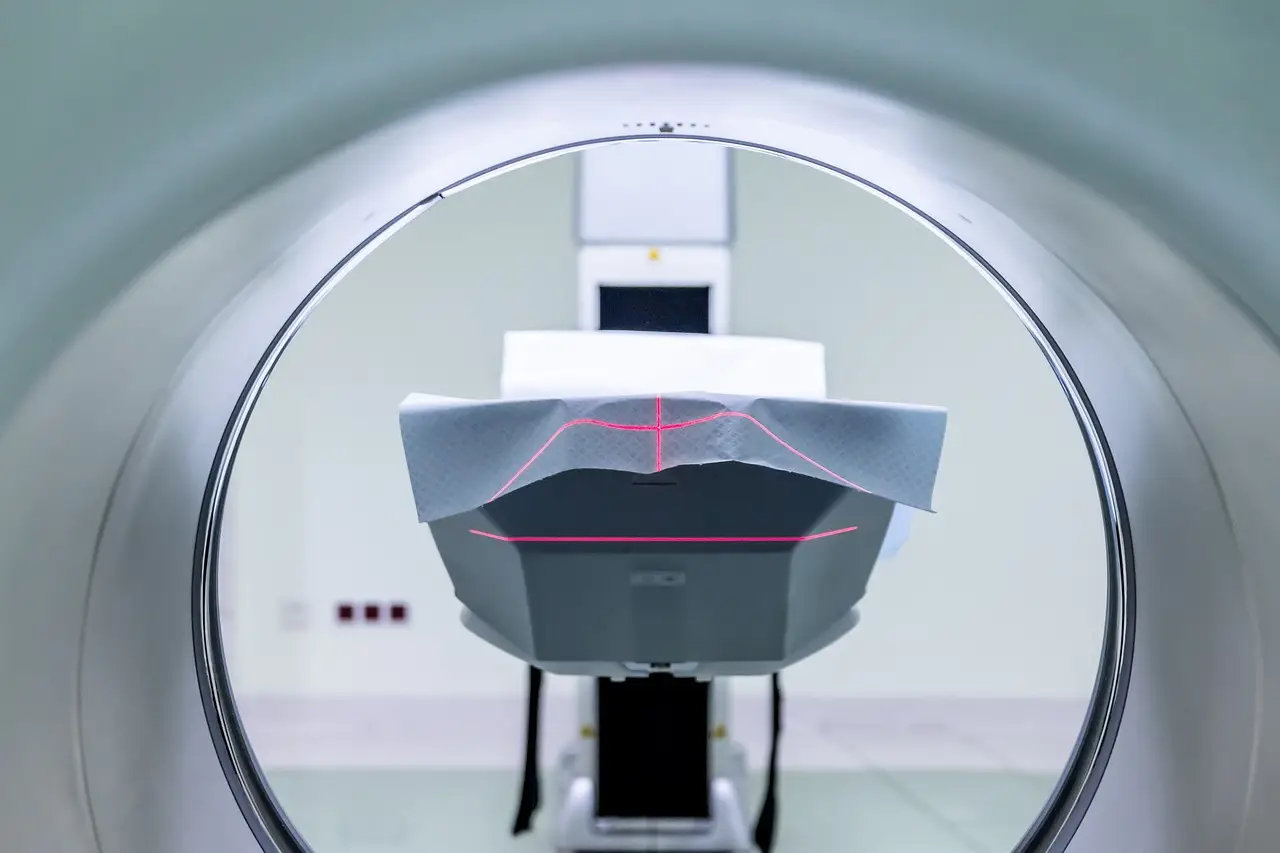
Cook Medical, a Bloomington, Indiana medical-device manufacturer employing more than 12,000 people worldwide, is betting that magnetic resonance imaging (MRI) can move beyond diagnosis and become a platform for guiding treatment. Its partnership with Indiana University opens a new center in Indianapolis to examine whether MRI can guide instruments, deliver medicines and potentially make some treatments less invasive.
The Indiana University Interventional MRI Cardiac Magnetic Resonance Center of Excellence sits at the Medical Imaging Research Institute within the Indiana University School of Medicine. The stated goal is to develop MRI-guided procedures for eventual everyday patient care, but the initiative has disclosed no timetable, study design, regulatory approval pathway or sales forecast.
Peter Polverini, vice president of Cook Medical’s iMRI (image-guided magnetic resonance) division, said: “Initial research areas include pediatric and cardiac interventions, image-guided biopsies, targeted therapy and drug delivery, and the integration of MRI-compatible devices with imaging systems.” The agenda signals technical breadth, not validated clinical outcomes or a timetable for routine deployment.
What does this change for Cook Medical?
The commercial logic is adjacency. Cook has specialized in minimally invasive medical devices since William and Gayle Cook launched the business from a spare bedroom in 1963; their son Carl now runs the parent Cook Group. Such devices require smaller incisions or can avoid open surgery.
If MRI can show instruments and anatomy clearly during treatment, devices that currently rely on X-ray guidance could gain MRI-guided alternatives, including for endovascular care (procedures performed inside blood vessels). Cook would also need to establish that those devices remain safe and clearly visible under MRI.
That could create demand for Cook’s devices while making MRI a complementary procedural platform, rather than a new scanner business the company must build alone. The commercial benefit remains hypothetical until studies establish safety, visibility and operating benefits. Cook has disclosed no device specifications, clinical endpoints or expected commercial timetable.
Although the center’s name emphasizes cardiac magnetic resonance, the research brief extends well beyond cardiac work. It includes pediatrics, biopsies, ablation, drug delivery and device-system integration, so Cook is treating MRI as a general procedural platform. That breadth could widen the range of Cook devices connected to procedures, but the announcement discloses no budget, staffing plan or milestones.
What could the research produce?
Researchers at the Medical Imaging Research Institute will improve existing procedures and develop new ones. Their stated possibilities cover five main areas:
- Image-guided needle biopsies of the prostate, liver, kidneys and lungs.
- MRI-guided ablations (targeted destruction of abnormal tissue), described as a promising area in the announcement.
- Targeted therapy and medication delivery to specific parts of the body.
- Cardiac and pediatric interventions.
- Integration of MRI-compatible devices with imaging systems, allowing devices and scanners to work together during procedures.
The announcement describes MRI-guided ablations as promising, but supplies no patient results, ablation details or comparison with existing guidance. It also gives no regulatory or clinical-use details for targeted drug delivery, cardiac work or pediatric interventions.
The center will also train radiology technologists and MRI technologists, the clinical staff who operate imaging systems, in new interventional procedures. Researchers will evaluate technologies intended to improve physicians’ view of anatomy and their control of instruments. This creates a route for staff preparation, but the announcement identifies no participating hospitals, clinicians or study schedule.
What remains unproven?
Moving MRI from reading anatomy to directing needles, instruments and medicines represents a substantial clinical and engineering task. The program must still show whether MRI guidance improves results, supports reliable operations and justifies added equipment and procedure costs; none of those tests has an announced deadline or budget.
Academic research must also translate into devices and procedures that clinicians can use reliably. Cook and Indiana University describe visualization and guidance technologies as future evaluation targets, but they disclose no first clinical study, participant count, regulatory sequence or commercialization schedule.
For hospitals and clinicians, the near-term change is a research and training initiative, not a new standard of care. For Cook, the opportunity is to build demand for its minimally invasive devices through MRI-guided uses. The center expands the company’s strategic options, but the announcement supports neither a near-term revenue forecast nor routine clinical adoption.
via inc.com/rss (Source)
More from Sophie Lindqvist
Show full bio
Correspondent covering money, funding and market shifts around corporate strategy and chief-executive leadership at CEO Frontier.
232 articles
Adjacent sheets
- Johnson & Johnson Commits More Than $1 Billion to Jacksonville Vision Plant
- Huberman Joins Hims Board With Science and Marketing Mandate
- Dr. David Zaas Named CEO of Atrium Health Wake Forest Baptist
- AstraZeneca weighs cancer vaccines as Phase 3 data emerge
- TransMedics lifts outlook as profit and case growth strengthen