Field report SE-62 / P6 · sheet /operations
Operations & RestructuringFiled from the territory
Chase blames software bug as outages hit banking, aviation and Microsoft systems
Chase blames a software bug for Monday's banking outage after Microsoft and FAA disruptions, as experts warn mass-scale cybercrime can strike thousands per minute.
- Grid
- SE-62 / P6
- Surveyed
- November 17, 2026
- Reading
- 3 min read
- Correspondent
- Elena Vasquez
Field notes
- Chase Bank said a software bug, not a cyberattack, caused its Monday systems problems; other banks reported similar issues.
- A Microsoft outage occurred Thursday and an FAA issue followed Friday, with no indicated link to the banking failures.
- Cybersecurity strategist Kimberely Simon said cybercriminals attack millions of people 'by the second, by the minute.'
- Simon warned scammers may exploit the outages with fake bank alerts, texts and emails.
Chase Bank confirmed on Monday that a software bug, not a cyberattack, caused technical problems affecting its systems, capping a week in which failures at Microsoft on Thursday and the Federal Aviation Administration on Friday disrupted services millions of people rely on daily.
The bank said its Monday outage stemmed from a flaw in its own software. Other banks reported similar issues the same day. There is no indication the banking problems are connected to last week's Microsoft outage, according to the company.
The sequence of failures — Microsoft on Thursday, the FAA on Friday, multiple banks on Monday — has left users questioning the reliability of systems they rarely think about until they stop working.
What do the outages actually involve?
The disruptions touched three critical sectors within five days:
- Banking: Chase and other banks reported technical problems Monday, with Chase attributing the failure to a software bug rather than criminal activity.
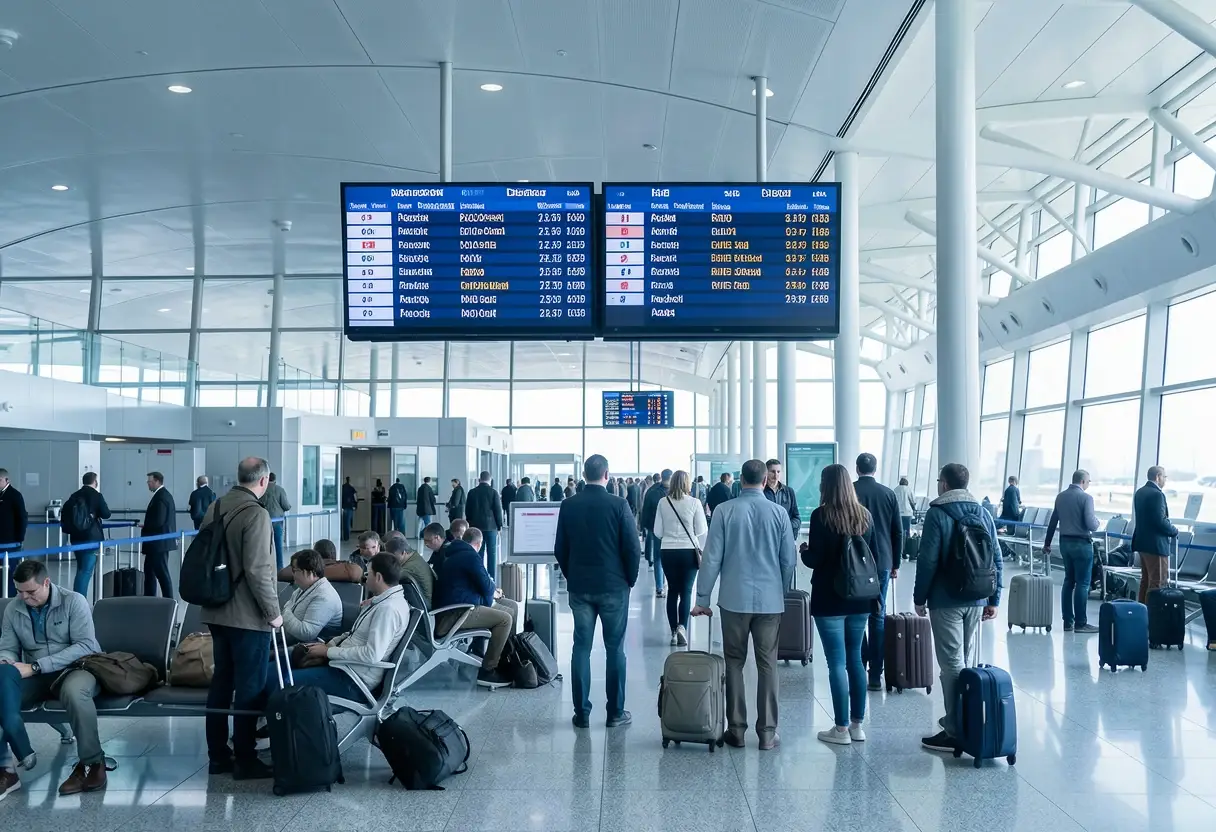
- Air travel: An issue involving the Federal Aviation Administration occurred Friday, adding to flight delays already stranding travelers.
- Cloud and software: A Microsoft outage on Thursday preceded both incidents. No link between the Microsoft failure and the banking problems has been established.
Katie Caceres, a Raleigh conference attendee, said she barely arrived because of flight delays and voiced skepticism about the explanations offered.
"I don't know if I really believe the explanation that has been given," Caceres said. "Growing up with systems that we've been told to trust but aren't really working anymore has been not great."
She added: "We're not sure what's happening with our digital infrastructure."
Is every outage a cyberattack?
Technology now underpins everyday functions from accessing money and catching a flight to operating vehicles and home security systems. Cybersecurity experts say those systems can be hacked, and that growing dependence on technology multiplies the points of failure.
Kimberely Simon, a cybersecurity strategist and CEO of Growth Office Partners, said cybercriminals can now target people at unprecedented scale and speed.
"Cybercrime is able to attack people in the masses today, by the second, by the minute," Simon said. "They are attacking and trying to trick thousands and thousands and millions of people. So today, cybersecurity is just one of those things that you cannot ignore. Nobody is safe."
Simon called the recent outages concerning but cautioned against assuming criminal intent behind every failure.
"I think one thing people need to realize is that not every outage is a cyberattack," Simon said. "So, when an outage happens, you need investigators who come and tell you what happened. Is it because of a criminal attack? But sometimes it really is equipment stopped working or a system failed."
How should businesses and individuals prepare?
With artificial intelligence becoming embedded in more systems, Simon said, both companies and individuals should plan for future outages before they happen rather than react after systems go dark.
"Ask yourself if there was an outage in your business. If you could not access your systems, what would you do? How would you let your customers know?" Simon said. "So, incident response planning is something we should all be thinking of today."
She also warned that scammers exploit exactly these moments of public anxiety. Fake bank alerts, text messages and emails often follow widely reported outages, as criminals pose as institutions customers already believe are having problems.
The week's events — a cloud provider on Thursday, an aviation regulator on Friday, major banks on Monday — illustrate the breadth of infrastructure now running on interconnected software. Each failure was separate. Together, they compressed the question of digital resilience into a single news cycle.
Nobody is safe, Simon said — and no system, it turns out, is immune either.
via abc11.com (Source)
More from Elena Vasquez
Show full bio
Staff writer covering companies, deals and strategy in corporate strategy and chief-executive leadership at CEO Frontier.
486 articles
Adjacent sheets
- Three U.S. Outages in Five Days Raise Unanswered DDoS Questions
- Chase disruption slows bank transactions and some Zelle payments
- Chase Confirms Technical Issue Behind Nationwide Banking Disruptions
- Chase, Bank of America and Wells Fargo Hit by Widespread Outages
- Microsoft outage and FAA halt test enterprise IT resilience