Field report SW-12 / Q1 · sheet /expansion
Expansion & MarketsFiled from the territory
Britain's £700m Industrial Push Ignores the Real Bill: Machinery
Ministers pledged £700m for industrial sites, but FLA data shows £42bn in asset finance underpins £28.2bn of output and 350,000 jobs. Equipment funding must be in the plan.
- Grid
- SW-12 / Q1
- Surveyed
- November 13, 2026
- Reading
- 3 min read
- Correspondent
- Priya Raman
Field notes
- Ministers announced £700m to unlock up to ten major industrial and commercial sites.
- FLA members provided £42bn in asset finance in the year to September 2026, over £25bn of it to SMEs.
- FLA research links that lending to £28.2bn in gross value added and some 350,000 jobs.
- Asset finance equalled 2.8% of Northern Ireland's GVA and 2.6% of Wales's, versus 0.8% in London.
- Paragon Bank provided £1.6m towards a £3.1m machining centre for Northern Ireland's Datum Tool Design.
£700 million. That's what ministers committed just over a week ago to unlock up to ten major industrial and commercial sites across Britain. Welcome news, says Shanika Amarasekara, chief executive of the Finance & Leasing Association (FLA, the trade body for the UK asset and consumer finance industry). But it prompts a less glamorous follow-up question: once those sites are ready, how will the businesses moving in actually pay for the equipment?
It's the question Amarasekara presses in a new intervention, and her answer is blunt: industrial policy needs to connect the places businesses operate in with the machinery that makes them productive. Site preparation is only half the job.
What does asset finance actually do?
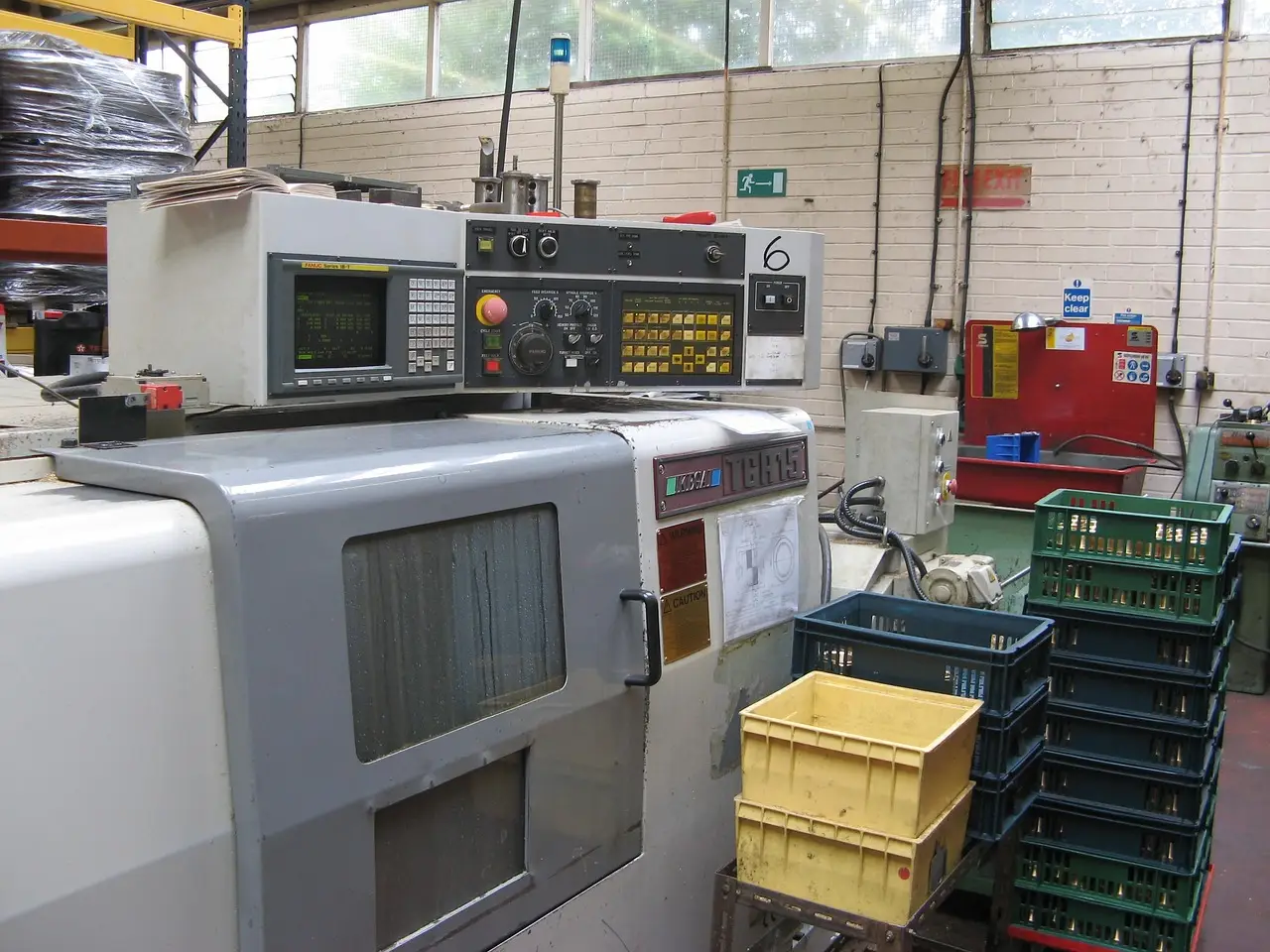
Consider Datum Tool Design, an aerospace specialist in Northern Ireland. The firm needed a £3.1m five-axis machining centre (a machine tool that cuts metal along five axes simultaneously) with a 22-metre bed. Paragon Bank provided £1.6m towards it. The result: Datum can now bring more complex work in-house and compete for bigger contracts.
The mechanism is simple and familiar. A manufacturer may hold the orders that justify a new production line, but lack the cash to buy it outright without draining money needed for wages and materials. Leasing and hire purchase (contracts that spread the cost of equipment over its working life) solve that squeeze.
How big is the numbers game?
Very big. In the year to September 2026, FLA members provided £42bn in asset finance to UK businesses, including more than £25bn to SMEs. New FLA research estimates that lending was associated with £28.2bn in gross value added (GVA, the measure of economic output generated by production) and some 350,000 jobs.
The money buys strikingly different things:
- A family dairy farm in West Wales used £360,000 towards a robotic milking parlour that can milk 50 cows at once.
- A drinks producer bought three bottling machines after securing supermarket contracts.
Where does the money flow?
The regional pattern is revealing. New asset finance was equivalent to 2.8 per cent of Northern Ireland's GVA and 2.6 per cent of Wales's, against just 0.8 per cent in London. Yorkshire and the West Midlands came in close to three times London's figure. That's the geography of reindustrialisation in miniature — places where costly physical equipment plays an especially important role in business investment.
What is Amarasekara asking ministers to change?
The £700m scheme targets barriers around planning, grid connections and access to finance. Sensible, she concedes. But getting an industrial site ready is only one part of the job. Businesses must still find a way to equip it.
"Ministers don't need to pay for every new lathe or bottling machine themselves," Amarasekara writes. "But they do need to understand what it takes for a business to make that investment." Winning a major contract is one thing. Finding the money for the production line needed to fulfil it, without draining cash needed elsewhere, is another.
Her prescription: bring equipment finance providers into regional industrial plans from the outset, alongside developers and infrastructure providers. Ask businesses what they need to buy, when they need it and what might prevent them from investing. If those questions are left until the factory is built, the conversation has started too late.
Ribbon-cuttings make good photographs. What matters for genuine reindustrialisation, Amarasekara argues, is what comes off the production line afterwards — and whether anyone financed the machines that make it.
via cityam.com (Source)
More from Priya Raman
Show full bio
Senior reporter covering technology and product news in corporate strategy and chief-executive leadership at CEO Frontier.
255 articles
Adjacent sheets
- Consultancies Pour Billions Into AI as ROI Question Goes Unanswered
- AI Capex Nears $700 Billion, and the Cash Burn Worries Investors
- Raymond Commits Rs 400 Crore to Andhra Factory by December 2027
- IREN Posts $228 Million Quarter Yet $263 Million Loss as AI Ramp Tests Returns
- Bank of America Deployed 1,000 Contractors to Fix AI-Exposed Software Flaws