Field report ·
Operations & RestructuringFiled from the territory
Army Got 180 of 12,000 Tank Rounds Due, Then Ordered 10,000 More
A Pentagon watchdog found the Army received only 180 of nearly 12,000 new tank rounds due by July, yet ordered 10,000 more from Northrop Grumman.
- Surveyed
- November 27, 2026
- Reading
- 3 min read
- Correspondent
- Olivia Hart
Field notes
- The Army received just 180 of nearly 12,000 AMP rounds due by late July.
- First deliveries arrived in December 2024, over three years late.
- The Army awarded Northrop Grumman a contract for 10,000 more rounds in March.
- Contractor performance rated marginal or unsatisfactory in five of seven reviews since 2018.
- Nearly $224 million has been obligated on the contract.
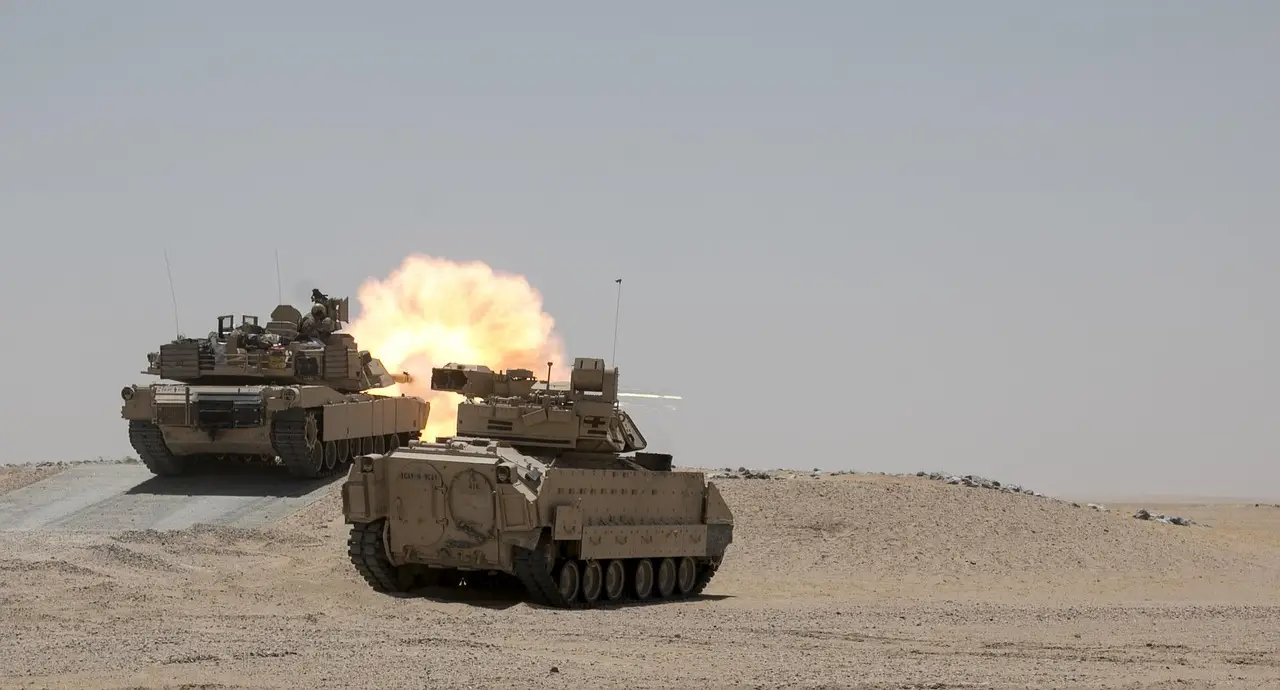
The US Army accepted just 180 of nearly 12,000 rounds of its new tank ammunition due by late July, a Pentagon inspector general report has found, and it still awarded the manufacturer, Northrop Grumman, a contract for 10,000 additional rounds in March.
The 120mm Advanced Multi-Purpose (AMP) round is meant to replace several older ammunition types carried by Abrams crews. It engages more target classes, including anti-tank missile teams and reinforced concrete walls, and spares crews from loading different rounds for different jobs. The Army has contracted for nearly 22,000 rounds in total, counting deliveries beyond the July cutoff.
How far behind schedule is the program?
The first rounds reached the Army only in December 2024, more than three years after deliveries were originally due. As of late July, Northrop Grumman had handed over 180 of the nearly 12,000 rounds scheduled by that date. The watchdog attributed the gap to technical and production problems, including leaking primer material discovered during testing in 2025. The company paused production involving those parts and did not deliver rounds with leaking primers.
The report did not name the contractor, but the program has previously been identified as Northrop Grumman's. The company did not respond to a request for comment.
Army assessment reports rated the contractor's performance as "marginal" or "unsatisfactory" in five of seven reviews since 2018. Officials told inspectors that pushing changes to improve performance could add costs and potentially relieve the contractor of responsibility for its own work.
Why did the Army stay with Northrop?
Officials said switching contractors would not be practical because the company had already made progress developing the ammunition, even though they believed choosing another firm might have reduced production risks. That logic carried into the March award of 10,000 additional rounds despite the delivery shortfall.
The stakes extend beyond one program. Because of the delays and technical challenges, the Pentagon may not receive full value from the nearly $224 million obligated on the contract over more than a decade, the report said.
What does this mean for US munitions readiness?
The shortfall lands as the Pentagon faces broader doubts about whether American manufacturers can produce enough ammunition for a major conflict. A separate Government Accountability Office report released this month found the military has faced persistent munitions shortages, worsened by the war in Iran, and lacks plans that tie production and funding to military requirements.
"DOD and the services are not well-positioned to address persistently low munitions inventories or risk, for example, investing in munitions that are projected to exceed the total munition requirement," that report said.
For Abrams crews, the practical effect is straightforward: they wait longer for a single round that consolidates capabilities they now must carry in multiple ammunition types. For procurement officials, the case shows how a decade of obligations — $224 million in this instance — can sit at risk when one contractor holds both the development progress and the production bottleneck, and the alternatives look worse.
via feeds.businessinsider.com (Source)
More from Olivia Hart
Show full bio
News editor covering regulation, policy and their impact on corporate strategy and chief-executive leadership at CEO Frontier.
637 articles
Adjacent sheets
- GAO: Pentagon Lacks Overarching Plan to Rebuild Depleted Munitions
- Pentagon Has No Master Plan for Munitions, GAO Warns
- Oil Slips as IEA Forecasts First Surplus Since Iran War Began
- IEA Sees 3.8 mb/d Oil Surplus for 2027 as WTI Slides Toward $80
- Army Opens Manufacturing Rodeo: $3,000 Drone Cap, 400-Aircraft First Run