Field report NE-94 / N1 · sheet /macro
Boardroom MacroFiled from the territory
AI and America’s outages: A plausible theory, not a diagnosis
The FAA grounded all US air travel for several hours on November 13, 2026. Officials identified no confirmed cause, while AI remains a speculative link across a wider series of outages.
- Grid
- NE-94 / N1
- Surveyed
- November 18, 2026
- Reading
- 4 min read
- Correspondent
- Priya Raman
Field notes
- The FAA halted all US air travel for several hours on November 13, 2026.
- On November 16, Markwayne Mullin said new AI software might link the grounding with outages at JPMorgan, Microsoft 365 and United.
- Mullin placed his confidence that the US was not under cyberattack at 98%.
- The 2003 Northeast blackout followed a software glitch in Ohio and affected New York City.
- A claimed 90-day blackout on November 17, 2026, was a social-media hoax.
By Priya Raman
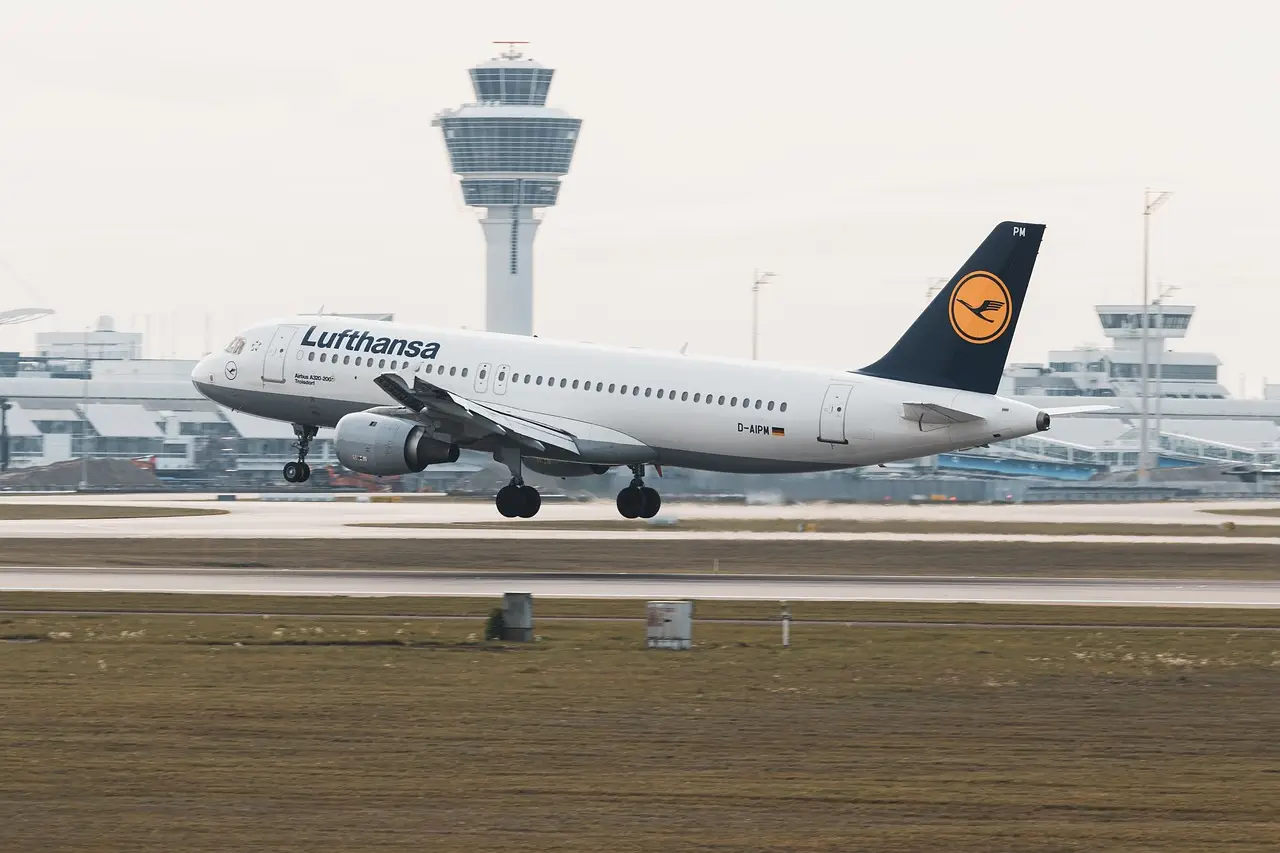
The Federal Aviation Administration (FAA) halted all US air travel for several hours on Friday, November 13, 2026, but no government technical finding has established the cause.
AI is a plausible common thread, not a proven one, as outages also struck JPMorgan, Microsoft 365, United and Charles Schwab. The temptation to connect every disruption is understandable; the evidence does not yet justify that conclusion.
What do officials actually know?
Department of Homeland Security (DHS) Secretary Markwayne Mullin told Fox News on Monday, November 16, that new AI software introduced into IT stacks (the software and systems used by organizations) might have caused the flight grounding and several recent outages.
His account rested on an unnamed technologist he described as very smart and explicitly not Elon Musk; Mullin said the theory made intuitive sense to him.
Mullin also said he did not know what had happened. His systems explanation was direct: “We just have a lot of technologists thrown at us and our world runs on technology now. We used to have backup systems. And the backup systems are overwhelmed by the new systems now.”
He advised viewers to remain calm and said he was 98% confident the United States was not under a cyberattack.
The agency Mullin leads was described as having more than 200,000 workers and an annual budget above $100 billion, which made a conclusion drawn from one informal expert difficult to defend.
The administration’s credibility was not improved by the answer. It spent much of the previous year calling the federal government incompetent and advocating radical downsizing, then faced a national disruption with a theory sourced to one unnamed technologist rather than a public technical diagnosis.
That credibility gap does not prove AI caused the incident, and it does not excuse the engineering failures.
Nor would a more competent administration necessarily prevent similar failures. America’s digital and physical infrastructure was already rickety and poorly maintained before AI became central to the technology debate.
Connectivity magnifies the cost of local errors. In 2003, a software glitch in Ohio triggered a Northeast blackout that cut power to New York City and other large areas.
AI adds a less settled variable. The technology remains new, and its developers themselves say they do not fully understand or reliably control how it works.
Technology specialists therefore expect more instability rather than an immediate return to predictable operations.
Journalist Josh Tyrangiel wrote in The Atlantic: “We should plan to wake up in Software Beirut, where nothing is broken all the time, but anything might break at any time.”
That forecast describes a mechanism AI can amplify but did not create: overloaded backup capacity (the spare systems designed to absorb disruption) turns isolated software faults into cascading service failures.
What should operators, households and media do?
- For operators and government: Publish root-cause analysis—a formal effort to identify the failed component, sequence of events and corrective controls—before treating separate incidents as one common cause.
- For households: Keep basic emergency supplies, including soup cans and water bottles, but do not attempt technical repairs; individuals have little ability to restore complex airline, financial or government systems.
- For newsrooms: Cover each disruption, press for causes and resist turning coincidence into conspiracy. Squirrel-related electrical failures, including those reported in 2016, show how ordinary faults can look like cascading outages without a coordinated threat.
- For risk communication: Avoid both extremes. Constant warnings can produce alarm fatigue (reduced attention after repeated alerts), while silence can leave people unprepared; credible warnings must escalate with evidence.
That test had an immediate application. An interview scheduled for Tuesday morning, November 17, sought discussion of a supposed November 17 blackout; the proposed subject was a social-media hoax about a 90-day outage.
Debunking a false claim can still enlarge its reach, even when the stated aim is correction. An email passed among relatives may stay local; television and the internet give it national oxygen. Staying silent serves the public better when a broadcast adds no evidence.
The immediate institutional test remains straightforward: Mullin should consult multiple qualified technologists, including experts within the Department of Homeland Security, and report what they establish.
Until then, the defensible conclusion is narrow: AI is one plausible contributor to a cluster of outages, not a verified common cause. A multi-hour national flight grounding warrants root-cause analysis; the public has received a hypothesis, not proof.
via feeds.businessinsider.com (Source)
More from Priya Raman
Show full bio
Senior reporter covering technology and product news in corporate strategy and chief-executive leadership at CEO Frontier.
459 articles
Adjacent sheets
- DHS Chief Points to 'Super Intelligence' Behind Five Days of U.S. Outages
- AI Could Be Behind Wave of US Tech Outages, Homeland Security Secretary Says
- FAA says $875 million AI system did not cause flight ground stop
- AI-Patched Software Is Likely Behind This Week's Outage Wave
- One Router, 18,000 Cancelled Flights: America's Aging Tech Fails